


Confessing Christ Is More Than Words: Faith Proven by Works According to James
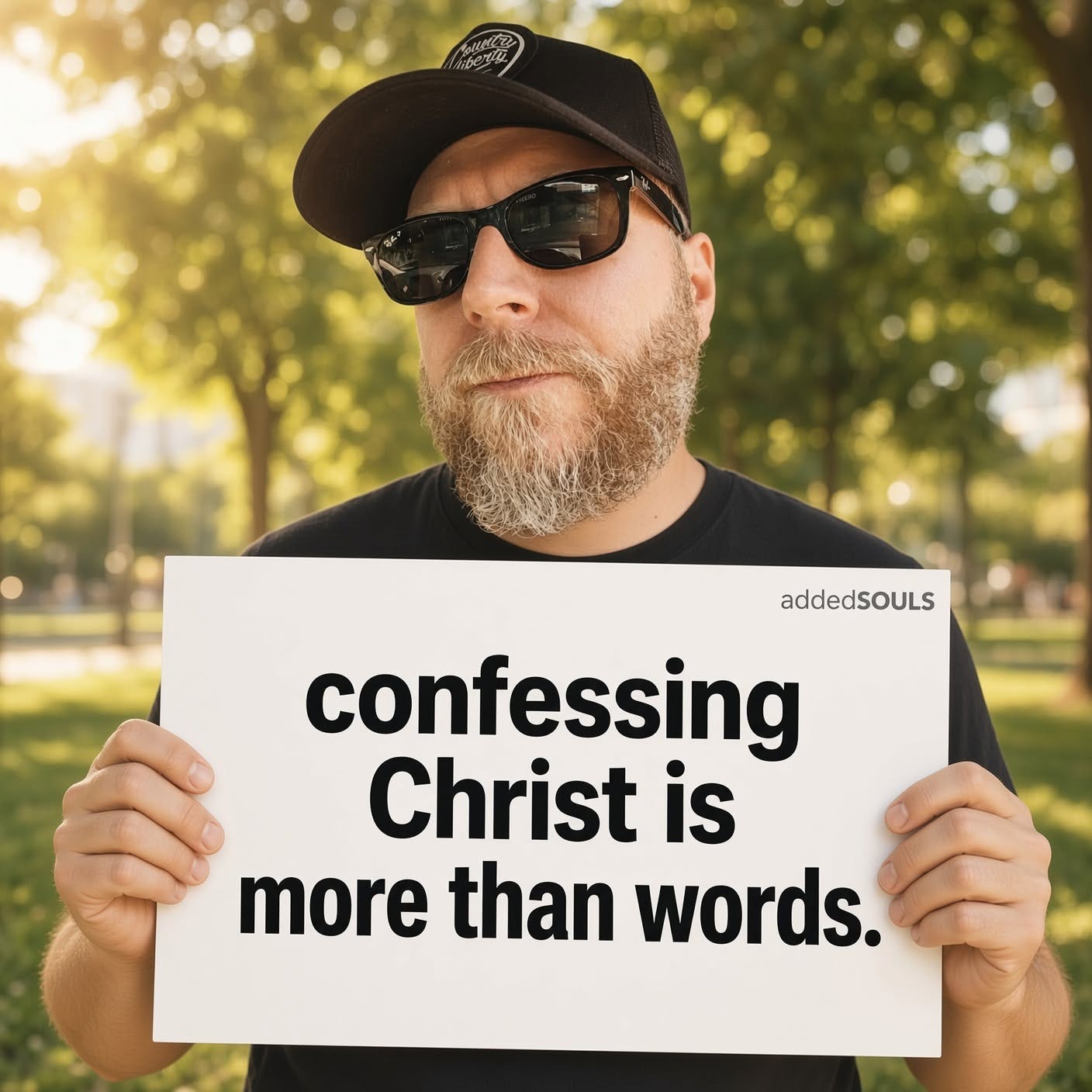
The statement “confessing Christ is more than words” is not a modern slogan or human invention. It is the clear, consistent teaching of Scripture, especially in the Epistle of James. When the inspired writer commands, “But be ye doers of the word, and not hearers only, deceiving your own selves” (James 1:22), and then elaborates that “faith, if it hath not works, is dead, being alone” (James 2:17), he establishes an unbreakable principle: genuine confession of Christ demands more than verbal profession. It requires proper motive, obedient behaviour, visible action, and daily practice in every sphere of life. This is the interpretive accuracy upheld by congregations belonging to Christ—taking the text in its plain, contextual meaning without denominational creeds, emotionalism, or “faith alone” theories that empty the word of its power.
Hearers Only Deceive Themselves,
James begins the practical thrust of his letter with a direct warning. After urging believers to “receive with meekness the engrafted word” (James 1:21), he immediately adds: “But be ye doers of the word, and not hearers only, deceiving your own selves. For if any be a hearer of the word, and not a doer, he is like unto a man beholding his natural face in a glass: For he beholdeth himself, and goeth his way, and straightway forgetteth what manner of man he was. But whoso looketh into the perfect law of liberty, and continueth therein, he being not a forgetful hearer, but a doer of the work, this man shall be blessed in his deed” (James 1:22-25).
A man who merely listens on Sunday, nods in agreement, and then returns to an unchanged life is self-deceived. The mirror of God’s word reveals what we are; walking away without transformation proves the hearing was empty. Confession of Christ that stops at the lips or the church pew is precisely this deception. Assemblies belonging to Christ have long insisted that the New Testament pattern requires obedience that continues—hearing the gospel, believing, repenting, confessing Christ, being baptized into Christ for the remission of sins (Acts 2:38; Romans 6:3-4), and then living faithfully. Anything less is incomplete.
Faith Without Works Is Dead,
James chapter 2 drives the point home with unmistakable clarity. “What doth it profit, my brethren, though a man say he hath faith, and have not works? can faith save him?” (James 2:14). The rhetorical answer is no. Empty profession cannot save. James illustrates with the practical failure to help a brother or sister in need (vv. 15-16), then declares: “Even so faith, if it hath not works, is dead, being alone” (v. 17). He confronts the imaginary objector who claims faith and works can be separated (vv. 18-19), notes that even demons believe and tremble, and then presents the living examples of Abraham and Rahab. Abraham’s faith was “made perfect” by works when he offered Isaac (vv. 21-23); Rahab’s faith was shown when she received the spies and protected them (v. 25). The conclusion is absolute: “For as the body without the spirit is dead, so faith without works is dead also” (James 2:26).
This is not “works salvation” in the sense of earning merit apart from grace. It is the biblical reality that saving faith is never idle. local churches belonging to Christ have always rejected the popular “once-saved-always-saved” or “faith alone” formulas that treat James as a second-class epistle. The Holy Spirit placed James in the canon; its teaching is authoritative. True confession of Christ produces the works of obedience that demonstrate the faith is alive.
Proper Motive, Behaviour, Action, and Practice,
Living confession requires the right motive. James later warns against selfish ambition, envy, and worldly wisdom (James 3:14-16; 4:1-4). The pure motive is submission to God, humility, and love that seeks to please Him rather than men (James 4:6-10). Behaviour must follow: the tongue must be controlled (James 3:1-12), partiality toward the rich rejected (James 2:1-9), and pure religion practiced by visiting the fatherless and widows and keeping oneself unspotted from the world (James 1:27).
These actions are not confined to the assembly. They extend to every area of life:
In the home**: A confession of Christ that fails in the family is worthless. Husbands love their wives as Christ loved the church; wives submit; children obey; fathers do not provoke (Ephesians 5:22–6:4). Daily speech, patience, provision, and spiritual leadership either confirm or deny the confession made with the mouth.
In the neighbourhood and community**: Light must shine before men so they see the good works and glorify the Father (Matthew 5:16). Helping the needy, honest dealings, refusal to participate in gossip or corruption, and consistent moral uprightness are the practical outworking of faith. James rebukes those who plan business ventures without regard for the Lord’s will (James 4:13-17).
In speech**: “Let your speech be alway with grace, seasoned with salt” (Colossians 4:6). Filthy language, lying, or bitter words contradict any verbal claim to follow Christ (Ephesians 4:29; James 3:9-10).
In clothing and outward appearance**: Modesty and propriety reflect a heart that fears God rather than seeks the world’s approval (1 Timothy 2:9-10; 1 Peter 3:3-4). Dress that draws attention to the flesh rather than to godliness undermines the confession.
In thought life**: “Whatsoever things are true, whatsoever things are honest… think on these things” (Philippians 4:8). Bringing every thought into captivity to the obedience of Christ (2 Corinthians 10:5) is part of living faith. Private lusts, hatred, or pride are as real as public deeds.
In all practices of life**: Whether working, resting, buying, selling, or facing trials, the disciple’s conduct must align with the “perfect law of liberty.” There is no sacred/secular divide for the Christian. Every domain belongs to the Lord (Colossians 3:17).
Defending Reality Against Empty Profession,
Reality is unforgiving of hypocrisy. Jesus Himself condemned those who honoured Him with their lips while their hearts were far from Him (Matthew 15:8-9, quoting Isaiah 29:13). The New Testament repeatedly warns that many will say “Lord, Lord” and still be rejected because they did not do the will of the Father (Matthew 7:21-23). Local congregations belonging to Christ have consistently taught that the pattern of sound words requires a life that matches the profession. Anything less is self-deception, dead faith, and a denial of the very Christ who was confessed.
This is not legalism; it is the gospel’s demand for a transformed life. Grace teaches us to deny ungodliness and worldly lusts and to live soberly, righteously, and godly in this present world (Titus 2:11-12). The motive is gratitude for the blood of Christ; the power is the indwelling word; the result is a confession that is lived, not merely spoken.
Conclusion,
James chapter 2, together with the command of James 1:22, proves beyond dispute that confessing Christ is far more than words. It is a life of obedient faith expressed in proper motive, consistent behaviour, deliberate action, and daily practice—in the home, the neighbourhood, the community, speech, dress, thoughts, and every other practice of life. This is the plain teaching of Scripture. Those who reduce confession to a Sunday ritual or a momentary verbal formula have not yet looked fully into the perfect law of liberty and continued therein. The churches of Christ simply call men and women back to that word: be doers, not hearers only. Faith without the works that prove it is dead. Living confession of Christ is the only confession that God recognizes as genuine.
Thank you for your kind attention.
Your servants,